
Saudi Visa for UAE Residents: eVisa Cost, Requirements & Application
Most UAE residents need a Saudi eVisa before they travel. The route built for expats is the GCC resident eVisa: SAR 300 with health insurance included, valid for one year with multiple entries, and up to 90 days per visit. You apply online, and the approved visa arrives by email. UAE citizens travel visa-free on an Emirati passport, and other GCC nationals do too. Two dates decide whether your application goes through. Your passport needs at least six months left, and your UAE residence visa needs at least three.
Saudi visa for UAE residents quick overview
| Route | Who it suits | Cost | Validity & stay |
|---|---|---|---|
| GCC resident eVisa | Expat residents of the UAE with 3+ months of residence validity | SAR 300, health insurance included | 1 year, multiple entry, up to 90 days per visit |
| Standard tourist eVisa | Passport holders from the eligible-nationality list | SAR 395, health insurance included | 1 year, multiple entry, up to 90 days per visit |
| Stopover visa | Travellers connecting through Saudi Arabia on Saudia or flynas | Free, with small processing and insurance charges | Up to 96 hours, single entry, valid 90 days from issue |
| Visa on arrival | Eligible passport holders, or holders of a used US, UK or Schengen visa | Paid at the counter, insurance included | 1 year, multiple entry, up to 90 days per visit |
Who needs a visa & who does not
UAE citizens need no visa for Saudi Arabia. An Emirati passport is enough. The same applies to other GCC nationals, who can enter with a passport or a national ID. Everyone else living in the UAE needs an eVisa before travel. Airlines check it at check-in in the UAE, and without an approved visa you will not be allowed to board.
The two validity rules sit underneath every route. Your passport must have at least six months left on it. Your UAE residence visa must have at least three months left at the time you apply and when you enter. If either date is short, sort it out first. Renewing a residence visa takes longer than the eVisa itself, so check the dates before you start the application.
Which route fits your situation
Start with your UAE residence visa. If it has three months or more left, the GCC resident route is open to you whatever passport you hold. This is the route most expats in the UAE take, and it is also the cheapest.
Your passport can open a second route. Citizens of the eligible countries, including the US, Canada, the UK, most EU states, Australia, Japan and Singapore, can apply through the standard tourist eVisa route instead. The terms are the same shape, one year with multiple entries and up to 90 days per visit, and the fee is higher.
A third route exists at the airport, but it is narrower than many travellers assume. Visa on arrival is open to eligible passport holders and to people holding a valid, previously used US, UK or Schengen visa, or permanent residence in one of those regions. GCC residency on its own does not qualify. If you are counting on visa on arrival, check that you meet one of those conditions first. If you do not, apply online before you travel.
What the GCC resident eVisa costs & how long it lasts
The GCC resident eVisa costs SAR 300, about AED 295, and that figure includes the full health insurance. The portal shows the complete breakdown at checkout, so the figure on screen is the one that counts. The visa lasts one year from issue, allows multiple entries, and each stay can run up to 90 days. A single-entry version exists too, valid for 90 days with a 90-day stay, for travellers who only need one trip.
Most GCC resident applications are issued within 24 to 72 hours. The stated maximum is 7 working days, and extra checks can slow an individual case down, so apply at least a week before you travel rather than the night before.
The standard tourist eVisa, for passport holders on the eligible-nationality list, costs SAR 395 with health insurance included. The business visit visa follows the same shape as the tourist eVisa, one year with multiple entries and up to 90 days per visit, for meetings, conferences and negotiations.
Documents to have ready
Gather these before you open the application. Every one of them is asked for in the form, and missing uploads are the usual reason an application stalls.
- Passport valid for at least six months, with blank pages for stamps
- UAE residence visa valid for at least three months, as a digital copy, with your Emirates ID to hand
- Recent passport-style photo with a white background: 35 x 45 mm, PNG or JPEG, under 5 MB, taken within the last six months, neutral expression with your mouth closed, no glasses unless a medical exception applies
- Email address where the approved eVisa will be sent
- Credit or debit card for the online payment
- Medical insurance, selected from the approved providers during the application
You do not need a hotel booking, a return ticket, an invitation letter or a bank statement for the online application. Those are not part of the form, even though some travel agents still ask for them.
How to apply on the KSA Visa platform
The whole application runs on the official KSA Visa platform, and it takes most people under half an hour.
- The application runs on the KSA Visa platform. Choose Tourism as the purpose of travel.
- Select the GCC residence option and view the visas you are eligible for.
- Pick the visa type: multiple entry for one year, or single entry for 90 days.
- Enter your personal and passport details exactly as they appear on the passport.
- Upload the passport scan, the UAE residence visa copy and the photo.
- Answer the health questions and select a medical insurance provider.
- Pay by card and keep the transaction number. The approved eVisa arrives by email. Print a copy and keep one on your phone.
Umrah on the tourist eVisa
The tourist eVisa covers Umrah outside Hajj season, so most UAE residents do not need a separate Umrah visa. Book Umrah and Rawdah slots through the Nusuk platform, the official platform for pilgrimage permits. Slots matter most in busy periods such as Ramadan, when the holy sites run on a booking system.
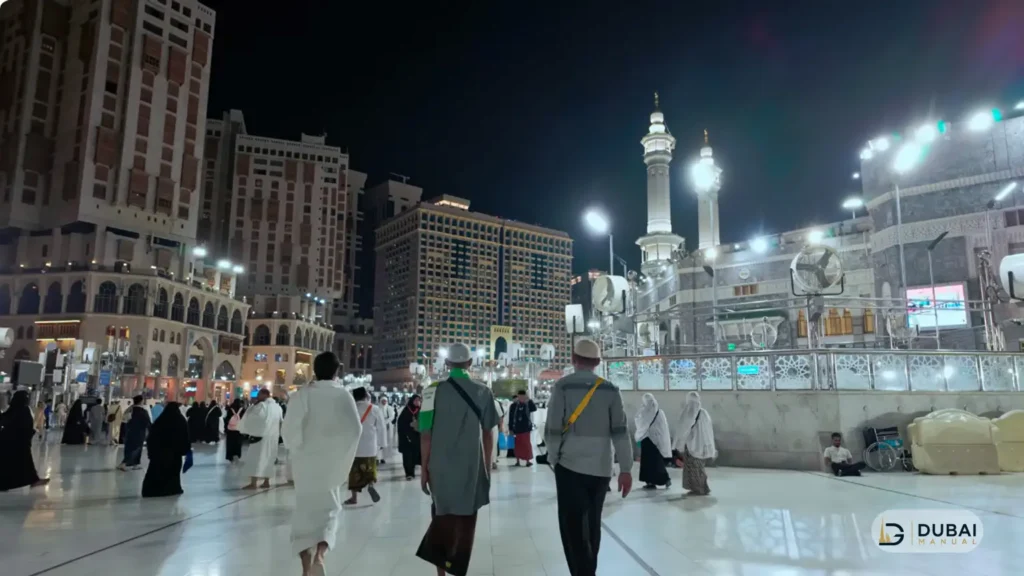
Hajj is different. The tourist eVisa does not cover Hajj, and a separate Hajj visa is needed for the pilgrimage season. The stopover visa also allows Umrah within its 96 hours, with a Nusuk slot booked for the visit.
The 96-hour stopover visa
The stopover visa suits travellers passing through Saudi Arabia rather than visiting it as a destination. Saudia and flynas build it into eligible connecting flights, and the visa itself is free, with small processing and insurance charges added at booking. It allows a single entry of up to 96 hours, stays valid for 90 days from issue, and cannot be extended. Umrah is allowed inside those 96 hours with a Nusuk slot booked. Hajj is not.
One change catches people out. Eligibility for the electronic stopover was narrowed in 2025, so the free stopover is not open to every nationality or every itinerary. Check the airline’s current list when you book, before planning a stopover around it.
Driving to Saudi Arabia

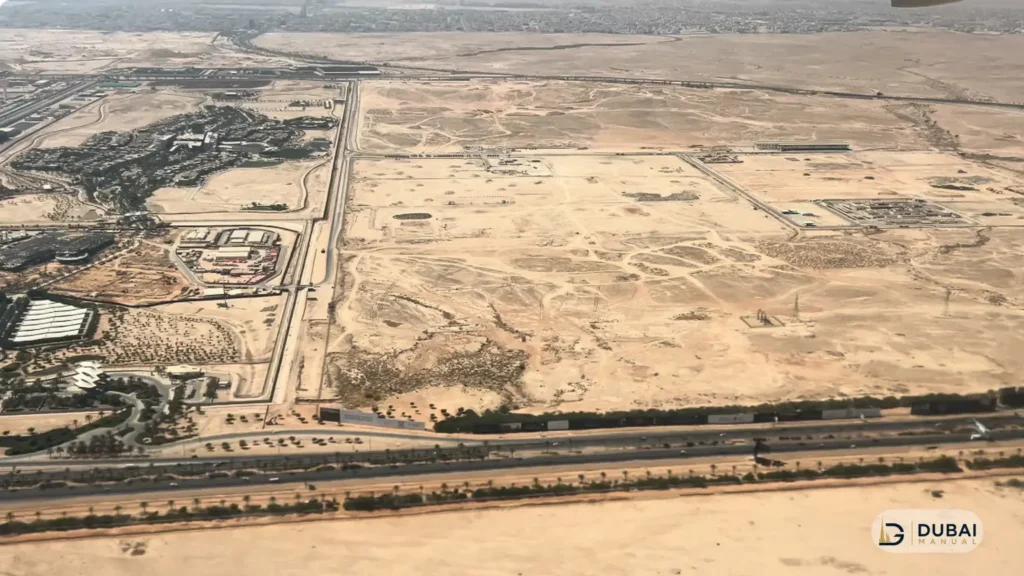
Driving is a real option for UAE residents, and the main crossing is Ghuwaifat on Abu Dhabi’s western border. Get the eVisa approved before you drive. The land border is not the place to sort out a visa, and you will be turned back without one.
Arrange Saudi vehicle insurance before the crossing, and carry the vehicle registration and a valid UAE driving licence. Keep the printed eVisa with the car’s papers. Both checkpoints will want to see documents, and the Saudi side checks the visa and the insurance.
Mistakes that cost time & money
- Assuming visa on arrival is open to every UAE resident. It is not. GCC residency alone does not qualify. Check the used-visa rule first, or apply online.
- Applying with a residence visa under three months of validity. The GCC resident route needs three months, and the application will not go through without it. Renew first.
- Booking non-refundable flights or hotels before the eVisa arrives. Most approvals land in 24 to 72 hours, but the stated maximum is 7 working days.
- Overstaying the 90 days. Overstays draw fines and can bring a travel ban, so count the days of each visit rather than the year the visa runs for.
- Paying a third party to arrange the eVisa. The official portal does the same job for the official fee, and an agent cannot speed up the decision.
If the eVisa is delayed or refused
Most GCC resident applications are issued within 24 to 72 hours. If yours takes longer, track it on the KSA Visa platform with the transaction number from your payment. That number is the reference for any follow-up.
Refusals usually trace back to the application itself: a photo that does not meet the specification, details that do not match the passport exactly, or a residence visa under three months of validity. Fix the cause and apply again, checking the photo and the details against the passport before you submit.
FAQ
Do UAE residents need a visa for Saudi Arabia?
Yes, if you are an expat resident. UAE citizens and other GCC nationals travel visa-free. Every other resident needs an eVisa before travel, usually through the GCC resident route on the KSA Visa platform.
How much is a Saudi visa for UAE residents?
SAR 300 through the GCC resident route, health insurance included, about AED 295. The standard tourist eVisa route costs SAR 395 with insurance included.
How long does the Saudi eVisa take?
Most GCC resident applications are issued within 24 to 72 hours. Allow up to 7 working days, and apply at least a week before you travel.
Can I get a Saudi visa on arrival as a UAE resident?
Only if you qualify on your passport or on a visa you already hold: an eligible passport, or a valid, previously used US, UK or Schengen visa, or permanent residence in one of those regions. GCC residency on its own does not qualify, so most residents should apply online first.
Can I do Umrah on a tourist eVisa?
Yes, outside Hajj season. Book Umrah and Rawdah slots on Nusuk, and get a separate Hajj visa for Hajj.
Can I drive from Dubai to Saudi Arabia?
Yes, through the Ghuwaifat crossing. Get the eVisa approved first, arrange Saudi vehicle insurance, and carry the vehicle registration and a valid UAE driving licence.
What if my UAE residence visa has less than 3 months left?
Renew it before applying. The GCC resident route needs at least 3 months of residence validity, and the application will not go through without it.
What to do next
- Check the two dates: passport with six months left, residence visa with three.
- Pick the route. For most expats, that is the GCC resident eVisa.
- Gather the photo, the passport scan and the residence visa copy, then apply on the KSA Visa platform.
- Once the eVisa lands in your inbox, book flights and, for Umrah, Nusuk slots.
